
Chimney Repair & Rebuilding
Chimney masonry repairs, partial rebuilds, and full stack rebuilds based on the visible condition.
Share photos if you have them. We review the request and confirm the next step by phone or text.
Quick answer
Does a damaged chimney need repair or rebuilding?
A chimney may need a focused repair when the stack is stable and damage is limited to mortar joints, a small number of bricks, the crown, or flashing. A partial or full rebuild is more likely when the stack is leaning, large sections are loose, or damage extends through the masonry. The right scope depends on an on-site assessment.
| What you see | Typical repair approach |
|---|---|
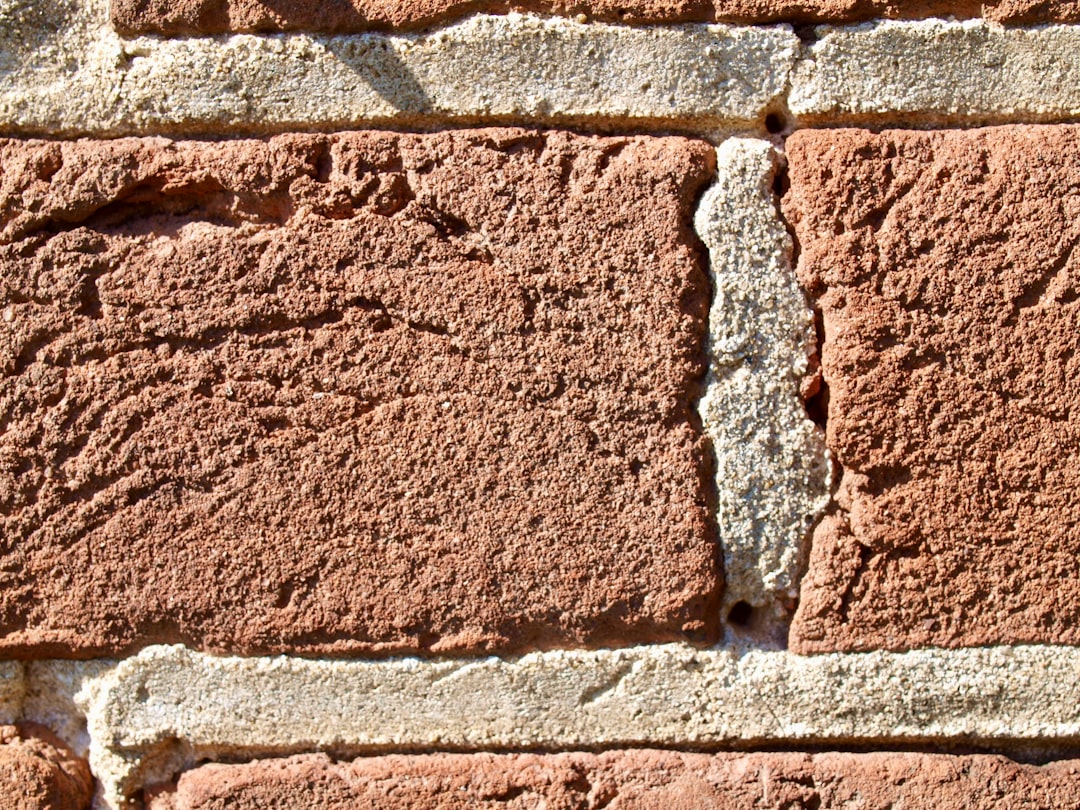
| Open or eroded mortar joints | Repointing may be enough when the brick remains sound and the stack is stable. |
| A few spalled or cracked bricks | Targeted brick replacement may work after the moisture source is identified. |
| Leaning or loose upper courses | A partial or full rebuild may be needed to restore a stable stack. |
| Interior stains near the chimney | Check the crown, cap, flashing, and masonry before choosing a repair. |
Overview
Chimney Repair & Rebuilding Experts in Cincinnati
We review the visible issue, access, materials, and weather exposure before recommending the next step for your chimney repair & rebuilding. You get a written scope, clear expectations, and a chance to ask questions before work begins.
Service Areas
Quick links to location pages we actively serve for this service.
Chimney damage often starts with water. Mortar joints open, brick faces flake or break, and cracks around the crown or flashing let more moisture into the stack. The visible symptom matters, but so does the path the water took.
A stable chimney with limited damage may need repointing, selected brick replacement, crown work, or flashing repair. A leaning stack or a large loose section may need to be rebuilt. We inspect the accessible areas, explain the likely cause, and put the recommended scope in writing before work is scheduled.
Common Issues We Fix
These are common problems we review during scope planning. We flag root causes, not just symptoms, and explain what drives cost or risk. If your issue is not listed, we will assess it during inspection.
Spalling Bricks
Bricks that are cracking, popping, or losing their face due to freeze-thaw cycles.
Leaning Chimney
Structural instability often caused by foundation settling or long-term water damage.
Deteriorated Mortar
Gaps in the joints that let water seep right into the core of the chimney.
Missing Caps/Flashing
Open tops or failed flashing letting water destroy the stack.
What the inspection covers
We review the visible condition, likely moisture or safety concerns, access, and the work needed to address the problem. The estimate separates recommended work from optional improvements.
Safety and site planning
We review access, prep, containment, and permit or inspection questions during scope review.
- PPE, fall protection, scaffold/ladder safety where the work requires it.
- Permit and inspection needs identified before scheduling.
- HEPA dust control where indoor or occupied areas.
- Project-specific safety and condition checks are confirmed during scope review.
Price planning
Pricing depends on access, materials, damage, and the final project scope.
The written estimate confirms the price after the condition and scope are reviewed.
- Common add-ons: access/scaffolding, premium materials, complex detailing, unforeseen rot/damage.
- Onsite inspection required before any final proposal.
Project checklist
These are common planning items we review so the estimate matches the site conditions.
- Protection: tarps, coverings, safe staging.
- Cleanup and debris handling expectations.
- Photo updates when useful for the project.
- Final walkthrough and open questions.
Service Highlights
What You Get
The estimate focuses on visible conditions, likely causes, and the repair approach that fits the site.
- A repair approach matched to the visible issue and materials.
- Scheduling expectations based on scope, weather, and access.
- Moisture, draft, drainage, or movement risks reviewed where relevant.
- Finish and material-matching questions discussed before work begins.
Helpful Local Guides
Use these guides to understand timing, warning signs, and related repairs before scheduling service.
Related Chimney Services
Explore the neighboring services homeowners usually compare before requesting an estimate.
Planning adjacent work
These service pages cover related scopes that often come up during the same property review.
Chimney Crown Repair
Sealing the top of your chimney against the elements.
Fireplace Makeovers
Gas inserts, wood stoves, and custom stone hearths.
Foundation Repair & New Builds
Structural crack repair plus new poured foundations for additions, garages, and outdoor living.
Stone Veneer
Premium manufactured and natural stone for interiors and exteriors.
Estimate clarity
The estimate explains the proposed scope, materials, access, and project questions that need to be resolved before work begins.
Great fit if
This is a good fit when you want the issue reviewed before choosing a repair approach.
- You want a clear scope and a durable repair.
- You care about clean setup/cleanup and communication.
- You need the repair to account for Cincinnati weather, soil, or drainage.
Not a fit if
A different provider may be a better match for work that does not need inspection or site review.
- You are looking for "cheapest patch" vs. durable fix.
- DIY-only scope without inspection or prep access.
Why Homeowners Trust Us
Masonry repair depends on diagnosis, material compatibility, and weather exposure. We review mortar, brick or stone condition, access, drainage, and related risks before recommending a scope.
Why Choose Us?
- Customer feedback Source profile added when approved
- Project scope Requirements reviewed
- Reliable Scheduling confirmed after review
We will confirm the next step after reviewing your request.
Our Process
How We Work
Assessment
We review movement, damaged masonry, mortar joints, the crown, flashing, and visible water paths.
Scope
The written estimate separates targeted repairs from any partial or full rebuild recommendation.
Repair
We remove failed material and complete the approved masonry, crown, or flashing work.
Closeout
We review the completed scope and explain any maintenance or follow-up item.
Common Questions
Frequently Asked Questions
Do I need a full rebuild?
Not always. A stable stack with limited mortar or brick damage may be repairable. Leaning, loose masonry, or damage through a large section can point to a partial or full rebuild.
Ready to get started?
Get a Rebuild AssessmentHow long does a rebuild take?
Timing depends on the chimney height, access, repair scope, materials, and weather. The written estimate explains the expected schedule for your project.
Ready to get started?
Request a Written EstimateCan you match my existing brick?
We can review the existing masonry and source matching or reclaimed brick when the project calls for it.
Ready to get started?
Explore Brick MatchingWhy is my chimney leaning?
Movement can have more than one cause, including support conditions, water damage, or deterioration within the stack. It needs an on-site assessment before the repair scope is chosen.
Ready to get started?
Request an AssessmentDo you handle permits for chimney repairs?
Permit and inspection needs depend on the project and jurisdiction. We identify those requirements during scope review.
Ready to get started?
Start Your Repair ProjectWhat's the difference between repointing and rebuilding?
Repointing replaces failed mortar while keeping sound masonry in place. Rebuilding removes and replaces an unstable or extensively damaged section of the chimney.
Ready to get started?
Learn Which You NeedHave more questions?
Visit our FAQ PageReady for the next step?
Start with the details you have.
A few photos, the project address, and a short description are often enough to route the request. We will confirm what else is needed before work is scheduled.