
Chimney Waterproofing
Stopping leaks at the source with professional sealing.
Share photos if you have them. We review the request and confirm the next step by phone or text.
Overview
Chimney Waterproofing Experts in Cincinnati
We review the visible issue, access, materials, and weather exposure before recommending the next step for your chimney waterproofing. You get a written scope, clear expectations, and a chance to ask questions before work begins.
Service Areas
Quick links to location pages we actively serve for this service.
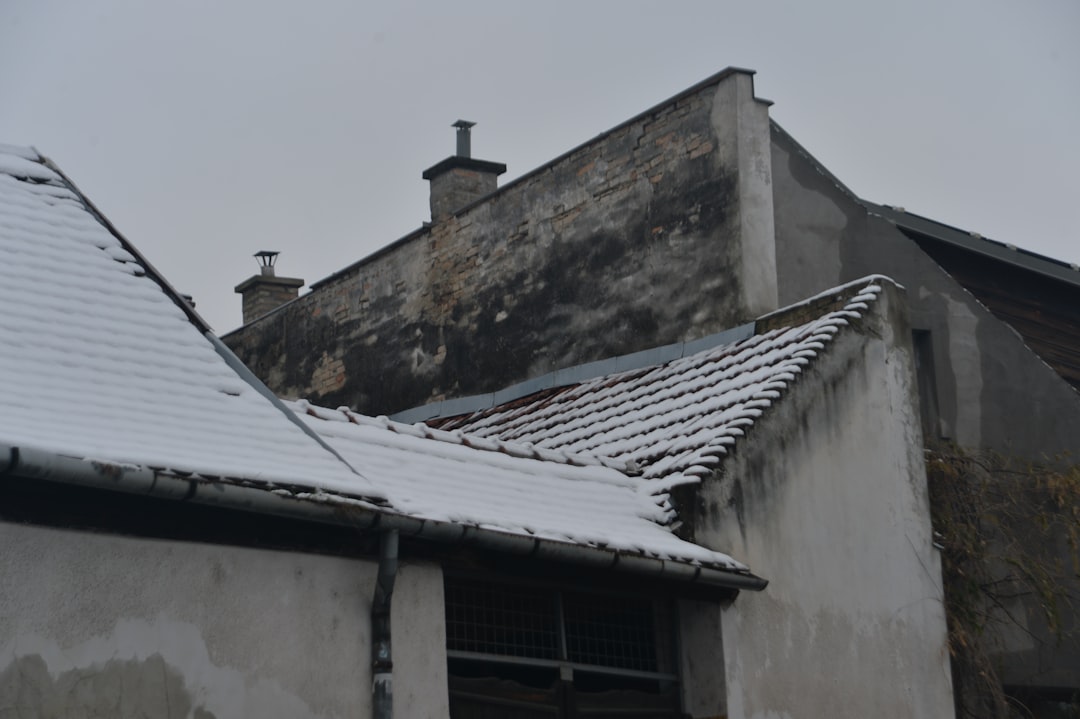
Bricks are like hard sponges. They soak up water. In the winter, that water freezes and expands, popping the face right off the brick. It's called the freeze-thaw cycle, and it shreds chimneys.
We use a professional-grade, breathable water repellent (not a sealer!). Sealers trap moisture inside; repellents let the brick 'breathe' while stopping rain from getting in. We also redo the flashing,that metal skirt at the bottom of the chimney,because that's where 90% of leaks happen.
Common Issues We Fix
These are common problems we review during scope planning. We flag root causes, not just symptoms, and explain what drives cost or risk. If your issue is not listed, we will assess it during inspection.
Water Stains
Damp spots on your ceiling or walls near the fireplace.
White Stains (Efflorescence)
That white powder on your brick means water is moving through it.
Rusted Flashing
Old steel flashing that has rusted through or pulled away from the brick.
Loose Caps
Improper caps letting rain and critters in.
What the inspection covers
We review the visible condition, likely moisture or safety concerns, access, and the work needed to address the problem. The estimate separates recommended work from optional improvements.
Safety and site planning
We review access, prep, containment, and permit or inspection questions during scope review.
- PPE, fall protection, scaffold/ladder safety where the work requires it.
- Permit and inspection needs identified before scheduling.
- HEPA dust control where indoor or occupied areas.
- Project-specific safety and condition checks are confirmed during scope review.
Price planning
Pricing depends on access, materials, damage, and the final project scope.
The written estimate confirms the price after the condition and scope are reviewed.
- Common add-ons: access/scaffolding, premium materials, complex detailing, unforeseen rot/damage.
- Onsite inspection required before any final proposal.
Project checklist
These are common planning items we review so the estimate matches the site conditions.
- Protection: tarps, coverings, safe staging.
- Cleanup and debris handling expectations.
- Photo updates when useful for the project.
- Final walkthrough and open questions.
Service Highlights
What You Get
The estimate focuses on visible conditions, likely causes, and the repair approach that fits the site.
- A repair approach matched to the visible issue and materials.
- Scheduling expectations based on scope, weather, and access.
- Moisture, draft, drainage, or movement risks reviewed where relevant.
- Finish and material-matching questions discussed before work begins.
Related Chimney Services
Explore the neighboring services homeowners usually compare before requesting an estimate.
Chimney Sweeping & Cleaning
Chimney cleaning and visible-condition checks for homes in Cincinnati and Northern Kentucky.
Chimney Repair & Rebuilding
Chimney masonry repairs, partial rebuilds, and full stack rebuilds based on the visible condition.
Chimney Crown Repair
Sealing the top of your chimney against the elements.
Planning adjacent work
These service pages cover related scopes that often come up during the same property review.
Estimate clarity
The estimate explains the proposed scope, materials, access, and project questions that need to be resolved before work begins.
Great fit if
This is a good fit when you want the issue reviewed before choosing a repair approach.
- You want a clear scope and a durable repair.
- You care about clean setup/cleanup and communication.
- You need the repair to account for Cincinnati weather, soil, or drainage.
Not a fit if
A different provider may be a better match for work that does not need inspection or site review.
- You are looking for "cheapest patch" vs. durable fix.
- DIY-only scope without inspection or prep access.
Why Homeowners Trust Us
Masonry repair depends on diagnosis, material compatibility, and weather exposure. We review mortar, brick or stone condition, access, drainage, and related risks before recommending a scope.
Why Choose Us?
- Customer feedback Source profile added when approved
- Project scope Requirements reviewed
- Reliable Scheduling confirmed after review
We will confirm the next step after reviewing your request.
Our Process
How We Work
Cleaning
Power washing the brick so the repellent can soak in deep.
Flashing Repair
Cutting in new counter-flashing into the mortar joints.
Application
Spraying on the vapor-permeable water repellent.
Testing
Water testing to ensure the leak is absolutely gone.
Common Questions
Frequently Asked Questions
Is this just Thompson's Water Seal?
No! That stuff traps moisture and ruins brick. We use siloxane-based repellents designed for masonry.
Ready to get started?
Get Professional WaterproofingWill it change the look of my brick?
Nope. It dries invisible. You won't even know it's there until you see water beading off it.
Ready to get started?
Protect Your BrickHow long does chimney waterproofing last?
Waterproofing service life depends on the product, exposure, preparation, and maintenance.
Ready to get started?
Long-Lasting ProtectionWhy is my chimney leaking?
90% of chimney leaks come from failed flashing,the metal skirt at the base. We replace it with proper counter-flashing.
Ready to get started?
Stop Chimney LeaksCan you waterproof in winter?
Waterproofing requires dry conditions and temps above 40°F. Spring and fall are ideal seasons.
Ready to get started?
Schedule WaterproofingWhat's efflorescence and is it harmful?
Those white stains are salt deposits from water moving through masonry. It's a warning sign of moisture problems.
Ready to get started?
Fix EfflorescenceHave more questions?
Visit our FAQ PageReady for the next step?
Start with the details you have.
A few photos, the project address, and a short description are often enough to route the request. We will confirm what else is needed before work is scheduled.